
Best Tips to Sleep Better
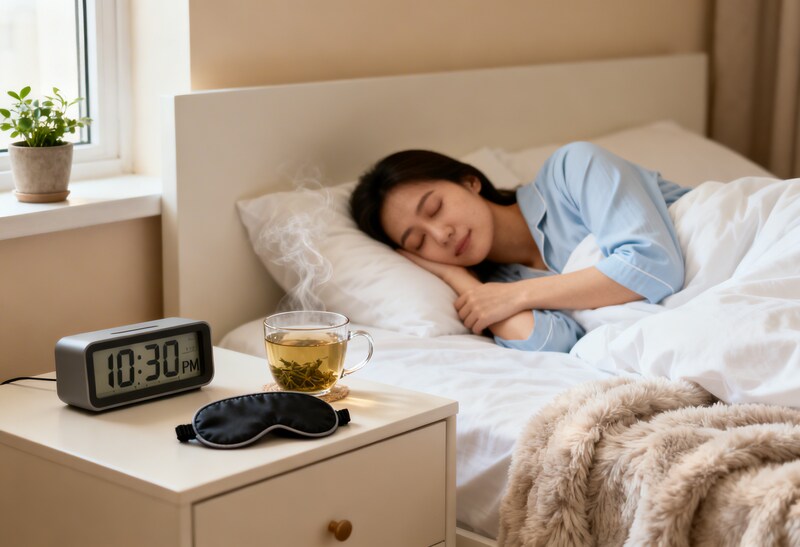
Insomnia is something many deal with on a nightly basis. One’s mind can race a million miles per minute, thus hindering the efforts to sleep for extended periods of time.
For centuries, people have been experimenting with a plethora of sleep-aid techniques. It really became a trial-and-error situation. Specific sleep implements work well for some, and not so much for others. Playing around with different scenarios enable many to eventually settle upon a preferred method of sleep.
This piece will speak about a number of different tips offered to improve sleep exponentially.
Exercise
The act of exercising is essentially one of the best things one can do to complement a life of health. It also has added benefits when it comes to sleep patterns. Burning off excess energy stored in the body can aid in fully falling asleep. Duly, stress — a large component of sleepless nights — can be mitigated by exercising on a regular basis. Experts suggest finishing vigorous workouts at least two hours before bed to allow your body temperature to drop.
Avoid Late Night Activities
Many doctors — on the basis of scientific studies — believe that constantly watching television right before sleep is detrimental to a good night’s rest. Duly, sitting on a phone, tablet, laptop, or computer may have the same impact due to blue light and mental stimulation. Many suggest reading as a better late night alternative right before dozing off to a deep slumber. There’s also the thought that darker curtains will obstruct random bouts of light from hindering sleep patterns. Unplugging from electronic devices at least an hour before bed likely will result in better sleep.
Natural Sleep Aids and CBT-I
There are a number of over-the-counter sleep aids which can be procured from a drug store. While melatonin is a popular natural hormone used to begin the sleep cycle, recent 2026 guidelines from the American Academy of Sleep Medicine emphasize that Cognitive Behavioral Therapy for Insomnia (CBT-I) is the most effective first-line treatment for chronic issues. Supplements like melatonin are best used for specific circadian rhythm disruptions and should be discussed with a professional, as long-term efficacy for general insomnia is still being studied.
Schedule
Individuals may need to exercise some discipline as it pertains to sleep. This includes sticking to a rigid sleep schedule, even on the weekends, to regulate the body's internal clock. If you find yourself unable to fall asleep after 20 minutes, it is often recommended to get out of bed and do a relaxing activity in dim light until you feel sleepy, rather than staying in bed and feeling frustrated. Individuals should also look into keeping the bedroom cool and dark to further support a constant sleep schedule.